



































Sourcing Feature Phones: A Practical Guide to Comparing Suppliers and Setting Acceptance Terms
Feature phones remain a distinct sourcing category from smartphones. This guide covers the key specifications to compare, a hypothetical sourcing scenario, and an acceptance checklist for importers.
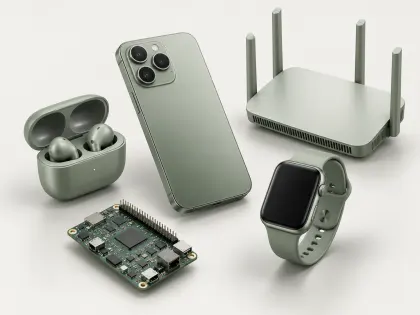
Feature phones occupy a specific niche in the electronics sourcing landscape. Unlike smartphones, they prioritize battery endurance, physical keypads, and basic voice and SMS functions. Buyers sourcing feature phones often serve markets where durability and simplicity matter more than app ecosystems.
Key Specifications to Compare
When comparing feature phone suppliers, focus on the following technical parameters:
Display: Screen size, resolution, and whether it is TFT or LCD. A common configuration is a 1.8-inch to 2.8-inch display. Confirm the exact panel type and viewing angle requirements.
Battery: Capacity in mAh and whether it is removable. Feature phones often use 800mAh to 2000mAh batteries. Check the battery cell chemistry and whether the supplier provides a battery PACK with protection circuitry.
Chipset: The baseband processor determines network compatibility. Verify support for the frequency bands required in your destination market. This is a critical check because band support varies by region.
Keypad: Physical keypad layout and material. Confirm whether keys are silicone or hard plastic, and whether the keypad is sealed against dust.
Connectivity: Bluetooth version, FM radio, and charging port type. Many feature phones still use micro-USB. Confirm whether a charger is included and its plug type.
Housing and Assembly: Inquire about the plastic housing material, IP rating if claimed, and drop-test standards. These are common differentiators between suppliers.
Software and Localization: Check whether the supplier can provide language packs, keyboard layouts, and pre-installed applications for your target market.
A Hypothetical Sourcing Scenario
This is a hypothetical example for illustration only. Suppose an importer wants 5,000 feature phones for a market where dual-SIM support and long standby time are priorities. The importer prepares a specification sheet listing: 2.4-inch display, 1,500mAh removable battery, dual-SIM, Bluetooth, FM radio, and support for specific frequency bands. Three suppliers respond with quotations. Supplier A offers a lower unit price but does not specify the chipset model. Supplier B provides a detailed bill of materials, confirms band support, and offers a sample for evaluation. Supplier C quotes the lowest price but cannot confirm whether the battery includes protection circuitry.
The importer should request samples from B and C, test actual standby time, verify band compatibility with a local SIM card, and inspect the battery for protection components. If C cannot provide this information, the importer may decide that the risk outweighs the price difference. This scenario illustrates that the lowest quotation is not always the best sourcing decision.
Acceptance Terms and Checklist
Define acceptance criteria before placing an order. The following checklist can be adapted:
1. Sample approval: Obtain a golden sample and keep it as the reference standard.
2. Incoming inspection: Specify AQL levels for visual defects, keypad function, and display performance.
3. Battery verification: Require documentation of battery capacity and protection circuit. Consider third-party testing if the order volume justifies it.
4. Network compatibility: Test each frequency band in the destination market. Do not rely solely on supplier claims.
5. Packaging and labeling: Confirm retail packaging, language requirements, and regulatory markings for your market.
6. Documentation: Request user manuals, warranty terms, and any certificates the supplier claims to hold. Verify certificates through the issuing body where possible.
7. Production timeline: Agree on sample lead time, mass production lead time, and shipping terms.
8. After-sales terms: Clarify defect handling, spare parts availability, and warranty period.
Specialist Review
Feature phones involve radio frequency and battery safety considerations. Importers should consult qualified testing laboratories for EMC, RF, and battery safety requirements applicable to their destination market. Regulations vary by country and change over time. A compliance specialist can help determine which certifications are required and whether supplier-provided documents are valid.
Supplier Location Considerations
Electronics sourcing in China spans several regions. Shenzhen is known for smart devices, PCBA, and small-batch sourcing. Dongguan focuses on SMT assembly, plastic housings, connectors, and contract assembly. These are regional sourcing orientations, not guarantees of specific factory capabilities. Buyers should verify each supplier's actual production facilities, quality systems, and references independently.
Conclusion
Sourcing feature phones requires attention to battery, chipset, band support, and keypad quality. A structured comparison and a clear acceptance checklist reduce risk. The lowest price is only one factor among many.
Share the product, specifications, quantity and destination to discuss sourcing options.